
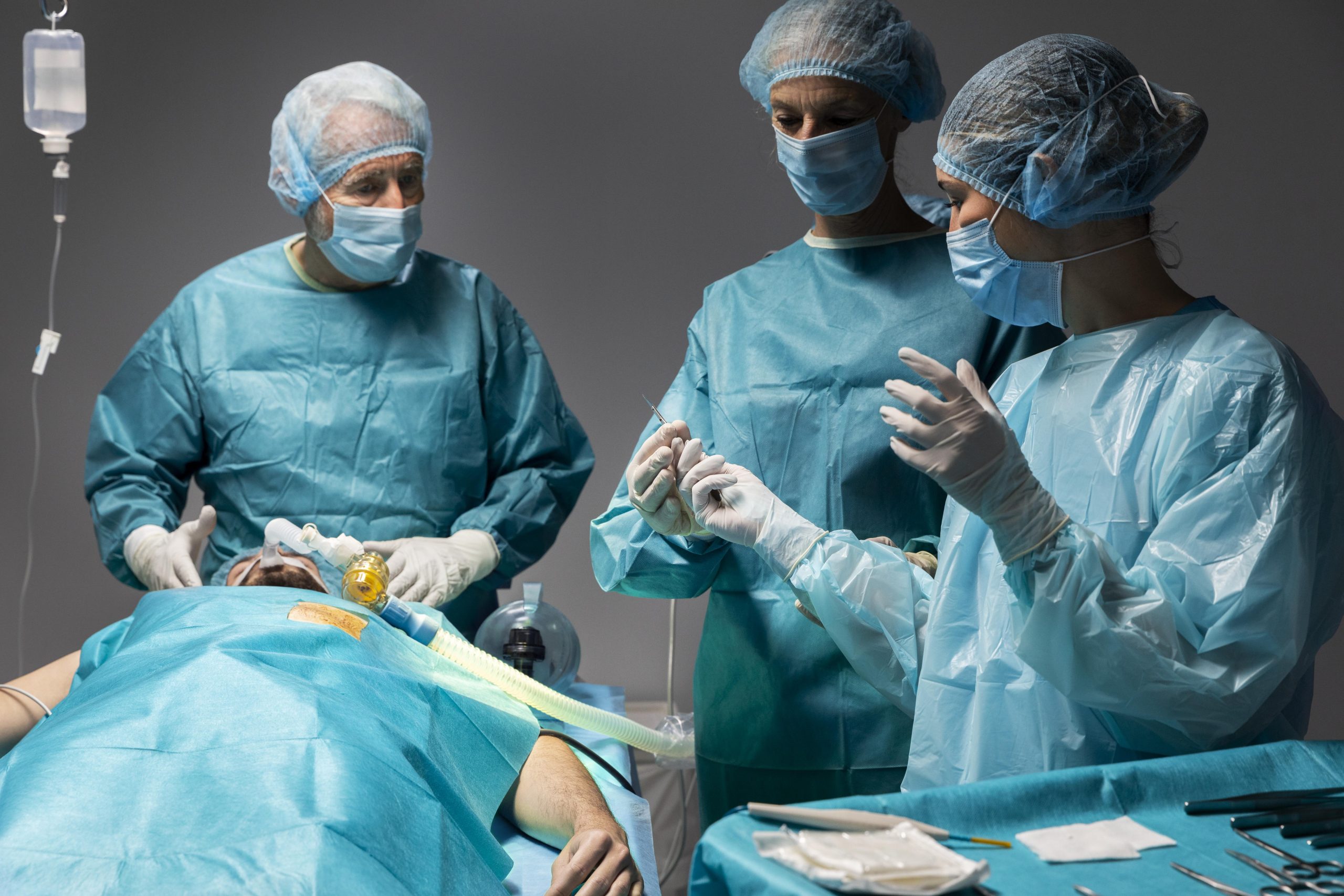
CAROTID ARTERY DISEASE Stroke Prevention & Treatment Options Patient Information Leaflet What are the carotid arteries? The carotid arteries are the two main blood vessels in your neck that supply blood to your brain. If these arteries become narrowed or blocked, blood flow to the brain is reduced and this increases the risk of stroke. What is carotid artery disease? Carotid artery disease occurs when fatty deposits (plaque) build up inside the carotid arteries. This causes narrowing (stenosis) and can reduce blood flow to the brain. This can lead to: Some patients have no symptoms until a stroke occurs. What is a stroke? A stroke happens when blood flow to part of the brain stops. This can cause permanent brain injury. Stroke warning signs – ACT FAST Call for emergency help immediately if you notice: B – Balance problemsE – Eye or vision problemsF – Face droopingA – Arm weaknessS – Speech difficultyT – Time to call emergency services immediately Symptoms usually start suddenly. What is a TIA (Mini-Stroke)? A TIA is a temporary blockage of blood flow to the brain.Symptoms are the same as a stroke but resolve within minutes or hours. Important: Never ignore symptoms even if they improve. How is carotid artery disease diagnosed? Your doctor may request: These tests determine how narrow the artery is and your risk of stroke. Treatment options Treatment depends on: Treatment options include: Medical treatment All patients usually require: These treatments reduce the risk of stroke. Carotid Endarterectomy (Surgery) This is an operation to remove plaque from the carotid artery. Procedure Hospital stay is usually 1–4 days. Risks Carotid Artery Stenting This is a minimally invasive procedure to open the artery using a stent. Procedure Hospital stay is usually 1–2 days. Risks Which treatment is best? This depends on: Your doctor will discuss the safest and most effective option for you. When to seek emergency help Call emergency services immediately if you develop: Do not wait. Early treatment saves brain function. Goals of treatment
PERIPHERAL ARTERIAL DISEASE (PAD)
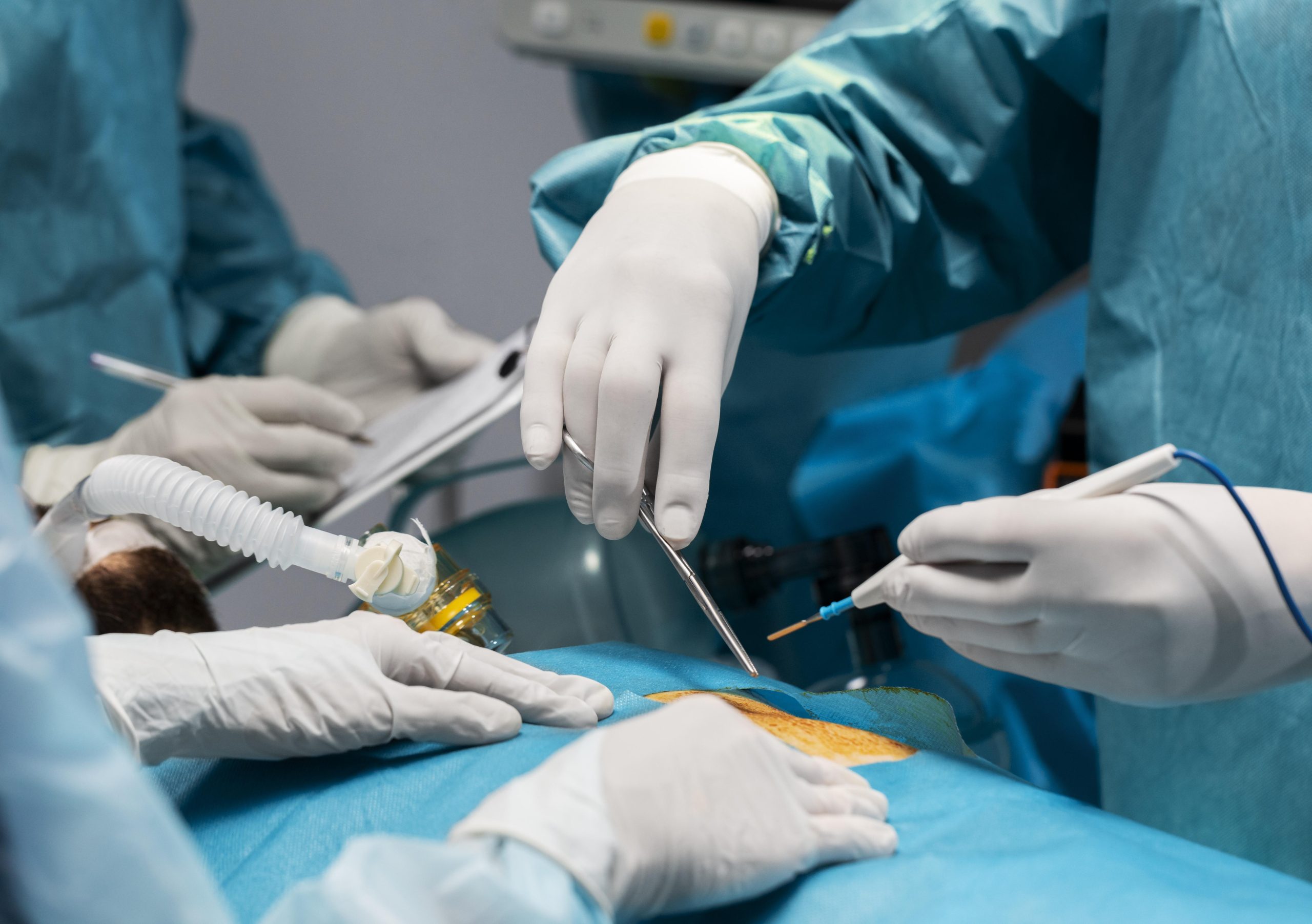
PERIPHERAL ARTERIAL DISEASE (PAD) Patient Information Leaflet What is Peripheral Arterial Disease? Peripheral arterial disease (PAD) is a condition where the arteries that supply blood to your legs become narrowed or blocked. This happens because fatty deposits (plaque) build up inside the blood vessels, reducing blood flow to the muscles and skin. When blood flow is reduced: Common Symptoms You may experience: The pain usually gets worse with walking and improves with rest. Risk Factors You are more likely to develop PAD if you have: Smoking is the biggest risk factor. Why PAD is Important PAD does not only affect the legs. It also increases the risk of: Tests You May Need Your vascular specialist may request: Blood Flow Tests Imaging Tests These tests help determine: Treatment Options Treatment depends on severity. Medical Treatment This is recommended for all patients. Lifestyle Changes Walking improves circulation and symptoms. Medications You may be prescribed: These reduce risk of heart attack and stroke. Angioplasty (Keyhole Procedure) This is a minimally invasive procedure used to open blocked arteries. During angioplasty: Benefits: Risks: Bypass Surgery This is open surgery used for long or severe blockages. During bypass surgery: This surgery improves: Risks include: Amputation (When Necessary) Amputation may be required when: The goal is to: Risks include: When to Seek Urgent Help Contact your doctor urgently if you develop: These may indicate limb-threatening ischemia. How You Can Help Yourself You can improve circulation by: ✓ Stop smoking✓ Walk daily✓ Take medications✓ Control diabetes✓ Check feet daily✓ Wear comfortable shoes✓ Avoid foot injuries✓ Keep feet warm✓ Attend follow-ups Foot Care Advice Important for diabetic and PAD patients: Follow-Up Regular follow-up is important to: Summary Peripheral arterial disease reduces blood flow to the legs.Treatment aims to: Treatment may include:
AORTIC ANEURYSM
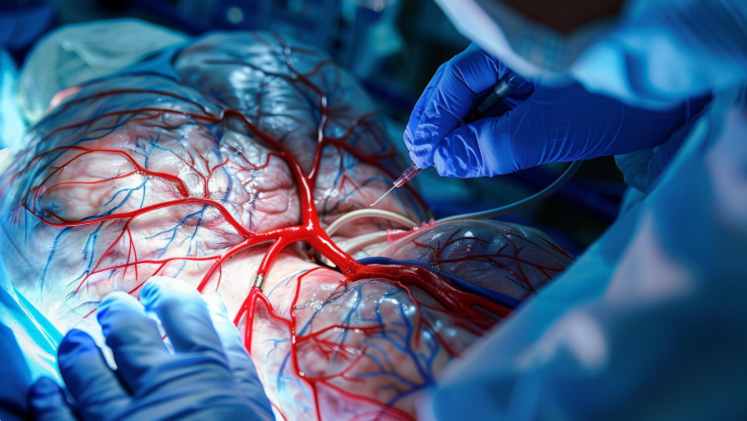
AORTIC ANEURYSM Patient Information Leaflet What is the aorta? The aorta is the main blood vessel that carries blood from the heart to the rest of the body.It runs through the chest (thoracic aorta) and abdomen (abdominal aorta). What is an Aortic Aneurysm? An aortic aneurysm occurs when part of the aorta becomes weak and enlarges (balloons out). This can happen in: If an aneurysm ruptures (bursts), it causes life-threatening internal bleeding. Symptoms Most aneurysms do not cause symptoms and are found incidentally. When symptoms occur, they may include: Abdominal aneurysm Thoracic aneurysm Emergency symptoms (Possible rupture) Call emergency services immediately if: Who is at risk? Risk increases with: How is an Aortic Aneurysm Diagnosed? Tests may include: These tests determine: When does an aneurysm need treatment? Treatment depends on: Generally, repair is recommended if: Treatment Options Surveillance (Watchful Waiting) Small aneurysms may only require monitoring. This includes: Endovascular Repair (EVAR / TEVAR) Minimally invasive procedure Advantages: Disadvantages: Open Surgical Repair Traditional operation Advantages: Disadvantages: Risks of Aneurysm Repair All procedures carry risks, including: Your surgeon will discuss your individual risk. What happens after surgery? After repair: Hospital stay: Recovery Recovery depends on procedure type: Endovascular repair: Open repair: Long-term follow-up You will need: Follow-up is essential even after repair. Lifestyle Advice To reduce risk: When to seek urgent help Seek emergency care if you develop:
CHRONIC VENOUS DISEASE
(Varicose Veins / Venous Insufficiency) What is Chronic Venous Disease? Chronic venous disease is a condition affecting the veins in the legs. These veins normally carry blood back to the heart. Inside the veins are small valves that keep blood flowing in one direction. When these valves become weak or damaged, blood flows backward and collects in the legs. This increases pressure inside the veins and causes symptoms. This condition may also be called: What causes Venous Disease? Common causes include: Anything that increases pressure in the leg veins can lead to venous disease. Symptoms Symptoms vary from mild to severe and may include: Early symptoms Visible vein changes Advanced symptoms Severe disease Venous ulcers usually occur around the ankle and may take months to heal. How is it diagnosed? Your doctor may perform: Ultrasound helps determine valve function and whether veins are blocked. Treatment Options Treatment depends on severity. Conservative Treatment This is the first step for most patients. Compression therapy Compression improves blood flow and reduces swelling. Leg elevation Exercise Walking activates the calf muscle pump and improves circulation. Recommended: Skin care Interventional Treatment If conservative treatment fails, procedures may be recommended. Vein Ablation The diseased vein is sealed so blood flows through healthy veins. Types include: These procedures close the abnormal vein. Phlebectomy Surgical Treatment Used for advanced disease: Goals of Treatment Treatment aims to: Possible Complications if Untreated Venous disease may worsen and lead to: Lifestyle Advice Do Avoid When to seek urgent medical attention Seek urgent care if you develop: Recovery After Treatment After vein treatment patients are advised to: These measures help prevent clots and improve healing. Prognosis Chronic venous disease is long-term but manageable. With proper treatment: Without treatment the condition usually worsens. Follow-Up Regular follow-up is important to:
DIALYSIS ACCESS OPTIONS
Patient Information: Fistula vs Graft vs Catheter This guide explains the three types of dialysis access, including lifespan, advantages, risks, and expected outcomes. ARTERIOVENOUS FISTULA (AV FISTULA) This is the best and preferred dialysis access. What is it? A surgeon connects: The fistula sits under the skin. A fistula needs 2–4 months to mature before use. Expected Outcomes – AV Fistula Short-term (0–3 months) Possible early problems: Intermediate (3 months – 2 years) Possible issues: Long-term (2+ years) Best long-term option. Expected lifespan: Long-term complications: Advantages of Fistula ✔ Longest lifespan✔ Lowest infection risk✔ Best dialysis quality✔ Lowest clotting risk✔ Fewer procedures✔ Lowest mortality Disadvantages ARTERIOVENOUS GRAFT (AV GRAFT) What is it? A synthetic tube connects: Can be used in 2–3 weeks. Expected Outcomes – AV Graft Short-term (0–1 month) Possible early problems: Intermediate (1 month – 2 years) Most grafts function well but need maintenance. Expected: Common issues: Long-term (2+ years) Expected lifespan: Patency: Long-term complications: Advantages of Graft ✔ Faster use✔ Good option if veins poor✔ Predictable anatomy✔ Easier cannulation Disadvantages DIALYSIS CATHETER (TUNNELED LINE) What is it? A tube placed into: Blood flows through catheter during dialysis. Can be used immediately. Expected Outcomes – Dialysis Catheter Short-term (0–1 month) Early complications: Intermediate (1–6 months) Problems increase with time. Common: Long-term (>6 months) Not recommended long term. Expected lifespan: Major long-term risks: Catheters have: ACCESS COMPARISON Feature Fistula Graft Catheter Use time 2–4 months 2–3 weeks Immediate Lifespan 5–10+ years 1–3 years Weeks–months Infection risk Lowest Moderate Highest Clotting risk Lowest Moderate Highest Dialysis quality Best Good Poor Procedures needed Few Moderate Frequent Hospital admissions Lowest Moderate Highest Preferred option YES If no fistula Temporary only Which Access is Best? Most patients should aim for: When Each is Used Fistula: Graft: Catheter: When to Call Doctor Urgently Fistula/Graft: Catheter:

How to Improve Circulation Naturally
Introduction Good circulation is essential for overall health, ensuring that oxygen and nutrients are delivered efficiently throughout the body. Poor circulation can lead to discomfort and serious health issues if left unmanaged. Dr Kgopane encourages patients to adopt healthy habits that support vascular health. Why Circulation Matters Healthy blood flow supports organ function, muscle performance, and overall wellbeing. Poor circulation can result in fatigue, swelling, and increased risk of vascular disease. Natural Ways to Improve Circulation 1. Stay Physically Active Regular exercise, such as walking, cycling, or swimming, helps improve blood flow and strengthens the cardiovascular system. 2. Maintain a Healthy Weight Excess weight can place strain on blood vessels and reduce circulation. Maintaining a healthy weight supports vascular health. 3. Eat a Balanced Diet A diet rich in fruits, vegetables, whole grains, and lean proteins can improve blood flow and reduce the risk of vascular disease. 4. Stay Hydrated Proper hydration helps maintain blood volume and improves circulation. 5. Avoid Smoking Smoking damages blood vessels and restricts blood flow, significantly increasing the risk of vascular disease. 6. Elevate Your Legs Elevating the legs can help reduce swelling and improve venous circulation, especially after long periods of standing or sitting. When Natural Methods Are Not Enough While lifestyle changes can improve circulation, some conditions require medical evaluation and treatment. Dr Kgopane provides expert assessment and advanced care for patients with underlying vascular issues. Conclusion Improving circulation naturally is an important step toward better health. Combined with professional care from Dr Kgopane, these lifestyle changes can significantly enhance vascular wellbeing. CTA Want to improve your circulation?Book a consultation with Dr Kgopane for expert advice and personalised care.

Treatment Options for Varicose Veins
Introduction Varicose veins are a common condition affecting many individuals, often causing discomfort, swelling, and cosmetic concerns. Fortunately, modern vascular medicine offers a range of effective treatment options. Dr Kgopane provides advanced solutions tailored to each patient’s condition and lifestyle. What Are Varicose Veins? Varicose veins occur when veins become enlarged and twisted due to weakened valves, leading to poor blood circulation. Symptoms of Varicose Veins Treatment Options Available 1. Lifestyle Modifications In mild cases, symptoms can be managed with: 2. Minimally Invasive Treatments Dr Kgopane often recommends modern procedures that are safe and effective: These treatments require minimal downtime and provide excellent results. 3. Surgical Treatment For more advanced cases, surgical intervention may be necessary to remove or repair affected veins. Dr Kgopane carefully evaluates each patient to determine the most appropriate treatment approach. Benefits of Treatment Conclusion Varicose veins are treatable, and early intervention can prevent further complications. Dr Kgopane offers personalised treatment plans using the latest techniques to ensure optimal outcomes. CTA Struggling with varicose veins?Schedule a consultation with Dr Kgopane to explore your treatment options.
Early Signs of Vascular Disease You Shouldn’t Ignore
ntroduction Vascular disease often develops gradually, with subtle symptoms that are easy to overlook. However, early detection is critical in preventing serious complications such as stroke, limb damage, or life-threatening conditions. Dr Kgopane emphasises the importance of recognising the warning signs early and seeking professional evaluation before the condition progresses. What is Vascular Disease? Vascular disease refers to conditions that affect the arteries and veins, disrupting normal blood flow throughout the body. It can affect any part of the circulatory system and may worsen over time if left untreated. Common Early Warning Signs 1. Leg Pain When Walking (Claudication) Pain or cramping in the legs during physical activity that improves with rest may indicate reduced blood flow caused by narrowed arteries. 2. Swelling in the Legs or Feet Persistent swelling can signal poor circulation or venous insufficiency, especially if it worsens throughout the day. 3. Visible or Bulging Veins Varicose veins are often an early sign of underlying venous disease and should not be ignored. 4. Numbness or Weakness in Limbs Reduced blood flow can affect nerve function, leading to tingling, numbness, or weakness. 5. Slow-Healing Wounds Wounds that take longer than usual to heal, particularly on the feet or legs, may indicate poor circulation. When to Seek Medical Attention If you experience any of these symptoms, it is important to consult Dr Kgopane for a thorough evaluation. Early diagnosis can prevent complications and improve long-term outcomes. Why Early Detection Matters Untreated vascular disease can lead to serious complications, including: Early intervention allows for more effective and less invasive treatment options. Conclusion Recognising the early signs of vascular disease can make a significant difference in your health. Dr Kgopane provides expert evaluation and personalised treatment plans to help patients manage their condition effectively. CTA Concerned about your symptoms?Book a consultation with Dr Kgopane for a professional vascular assessment.
