CAROTID ARTERY DISEASE
Stroke Prevention & Treatment Options
Patient Information Leaflet
What are the carotid arteries?
The carotid arteries are the two main blood vessels in your neck that supply blood to your brain. If these arteries become narrowed or blocked, blood flow to the brain is reduced and this increases the risk of stroke.
What is carotid artery disease?
Carotid artery disease occurs when fatty deposits (plaque) build up inside the carotid arteries. This causes narrowing (stenosis) and can reduce blood flow to the brain.
This can lead to:
- Stroke
- Transient ischemic attack (TIA or mini-stroke)
- Brain damage
- Permanent disability
Some patients have no symptoms until a stroke occurs.
What is a stroke?
A stroke happens when blood flow to part of the brain stops. This can cause permanent brain injury.
Stroke warning signs – ACT FAST
Call for emergency help immediately if you notice:
B – Balance problems
E – Eye or vision problems
F – Face drooping
A – Arm weakness
S – Speech difficulty
T – Time to call emergency services immediately
Symptoms usually start suddenly.
What is a TIA (Mini-Stroke)?
A TIA is a temporary blockage of blood flow to the brain.
Symptoms are the same as a stroke but resolve within minutes or hours.
Important:
- A TIA is a warning sign
- Stroke risk is highest in the first few days
- Urgent assessment is required
Never ignore symptoms even if they improve.
How is carotid artery disease diagnosed?
Your doctor may request:
- Carotid ultrasound
- CT angiogram
- MR angiogram
- Cerebral angiogram
These tests determine how narrow the artery is and your risk of stroke.
Treatment options
Treatment depends on:
- Whether you had a stroke or TIA
- How severe the narrowing is
- Your age and medical conditions
- Your overall stroke risk
Treatment options include:
- Medical treatment
- Carotid endarterectomy (surgery)
- Carotid artery stenting
Medical treatment
All patients usually require:
- Blood pressure control
- Cholesterol medication (statin)
- Blood thinners (aspirin or similar medication)
- Diabetes control
- Smoking cessation
- Exercise and healthy diet
These treatments reduce the risk of stroke.
Carotid Endarterectomy (Surgery)
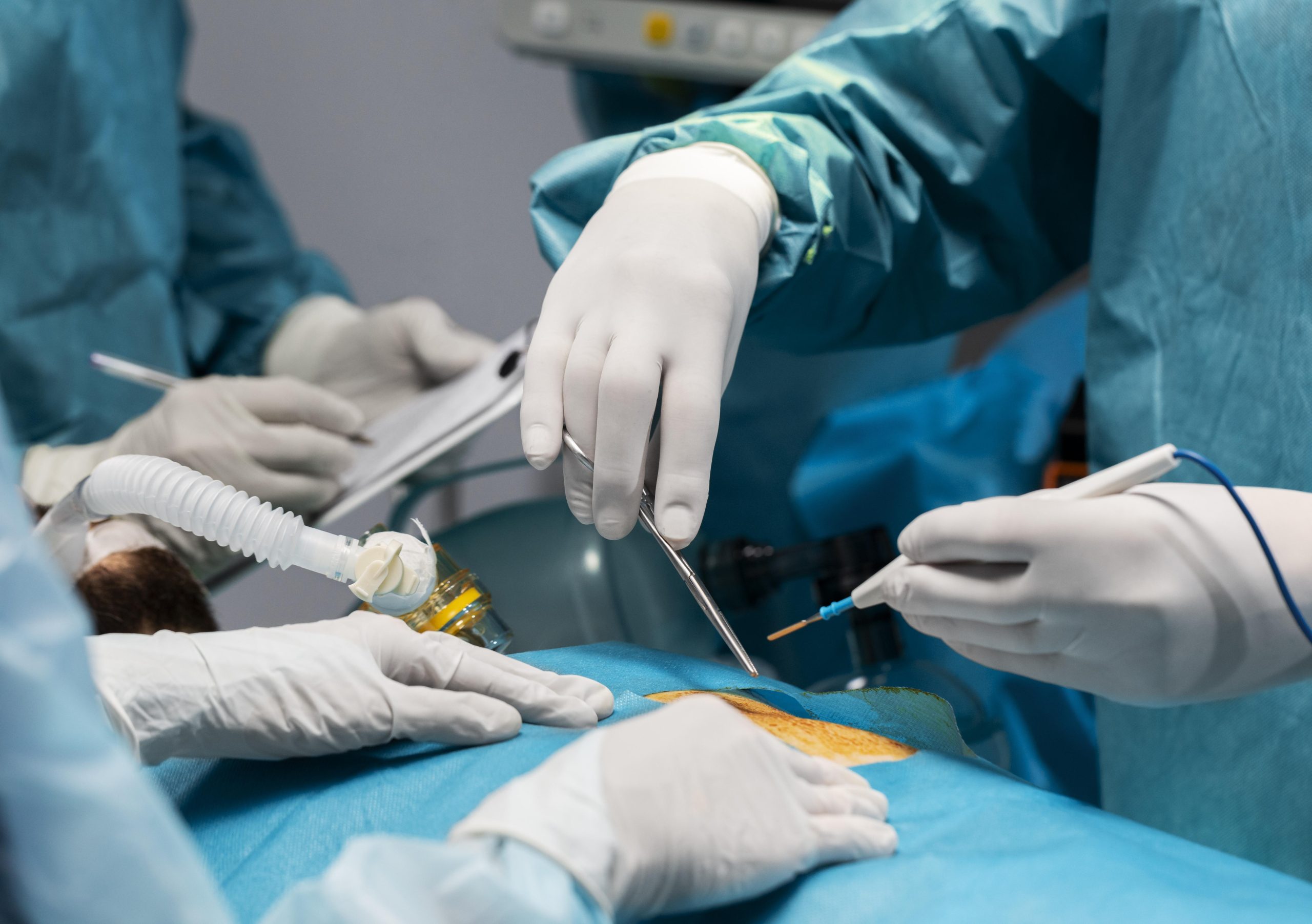
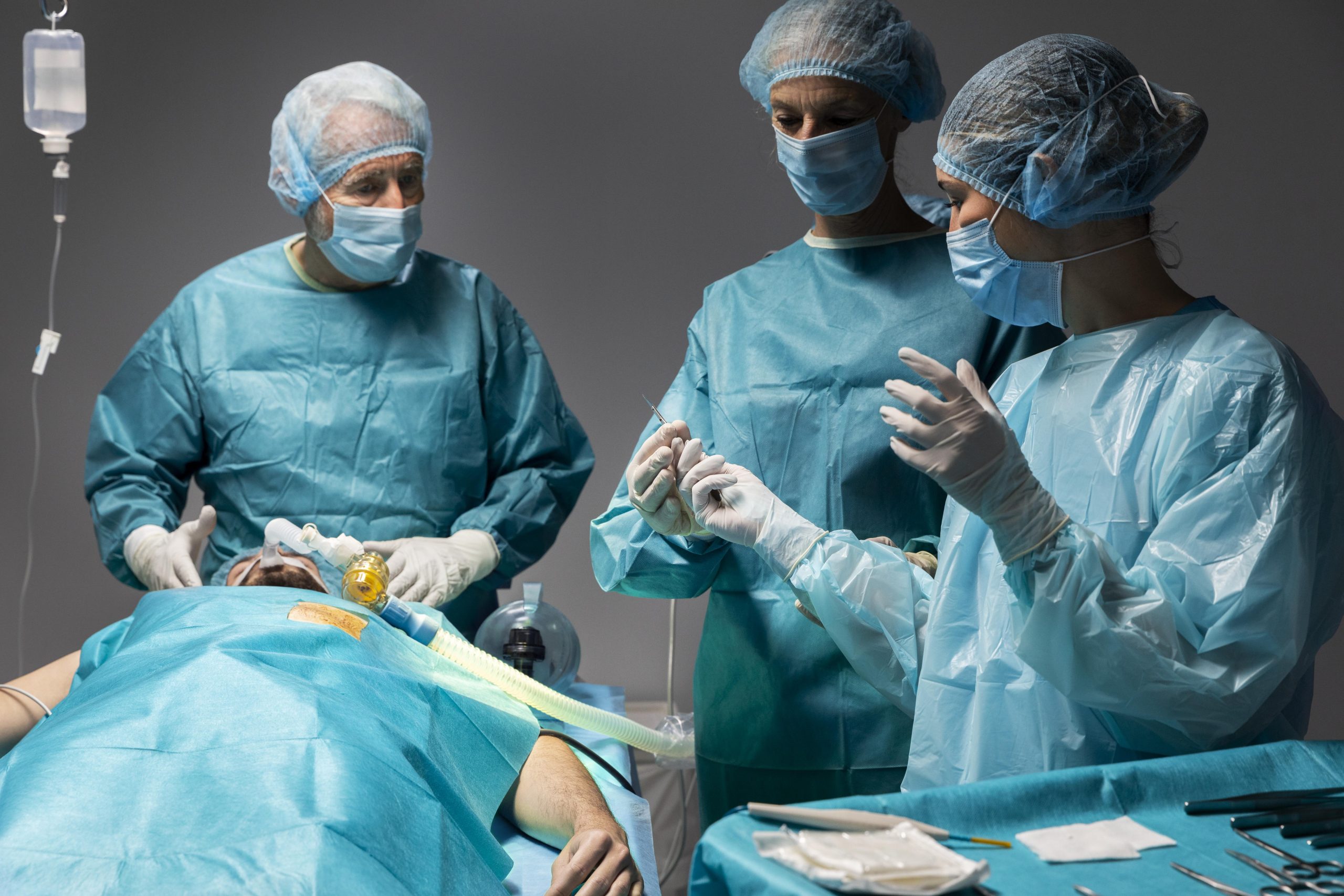
This is an operation to remove plaque from the carotid artery.
Procedure
- Small incision in the neck
- Artery opened
- Plaque removed
- Artery repaired
- Blood flow restored
Hospital stay is usually 1–4 days.
Risks
- Stroke
- Heart attack
- Bleeding
- Nerve injury
- Infection
- Re-narrowing of the artery
Carotid Artery Stenting
This is a minimally invasive procedure to open the artery using a stent.
Procedure
- Small puncture in groin or arm
- Catheter passed to carotid artery
- Balloon opens narrowing
- Stent placed to keep artery open
Hospital stay is usually 1–2 days.
Risks
- Stroke
- Bleeding
- Infection
- Blood clots
- Kidney problems (contrast dye)
- Re-narrowing of artery
- Heart attack
Which treatment is best?
This depends on:
- Symptoms
- Degree of narrowing
- Age
- Medical conditions
- Anatomy of the artery
Your doctor will discuss the safest and most effective option for you.
When to seek emergency help
Call emergency services immediately if you develop:
- Face drooping
- Arm weakness
- Speech problems
- Sudden vision loss
- Sudden dizziness
- Severe headache
- Sudden confusion
Do not wait. Early treatment saves brain function.
Goals of treatment
- Prevent stroke
- Improve blood flow to the brain
- Reduce future stroke risk
- Protect brain function